

Work & Writing
10 pieces · Newest first
Forecasting the 2026 Midterms
The forecast itself: the Senate, the House, governorships and county turnout, with maps, every race and the full range of outcomes.
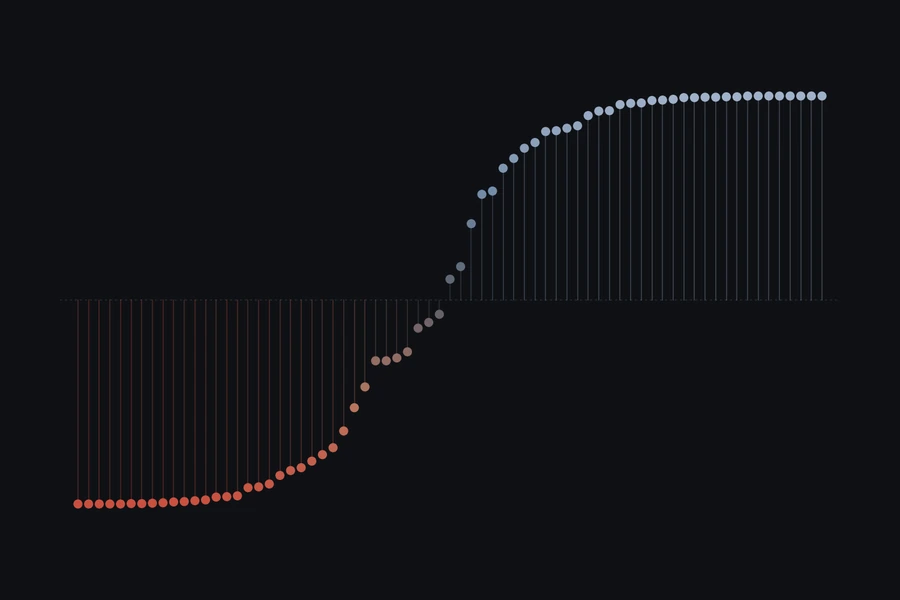
Turnout First: How the Forecast Works
The method behind the forecast: why it starts with turnout, how each stage was backtested on 2018 and 2022, and where it is likely to be wrong.

Predicting Flight Delay Severity at Scale
A four-tier delay classifier over 31M US flights in PySpark. The chosen random forest caught 64% of delays over two hours on a blind 2019 test, the only model to clear the safety floor, at a deliberate cost to overall agreement.
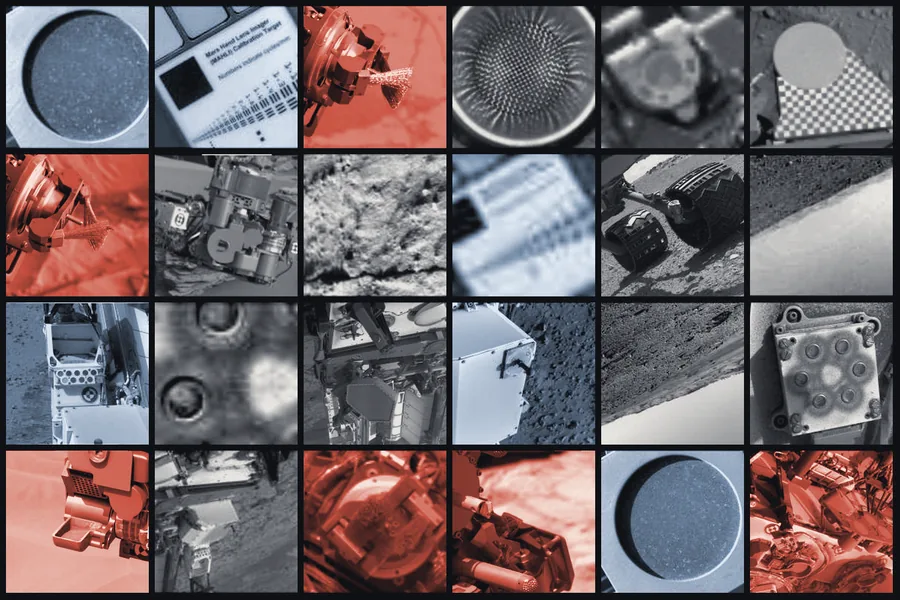
Classifying Curiosity Rover Images
A three-stage ResNet-50 pipeline over 25 classes of Curiosity rover images, reaching 76.5% accuracy and 0.666 macro-F1. The held-out errors show the hard part is classes that look alike, not classes that are rare.
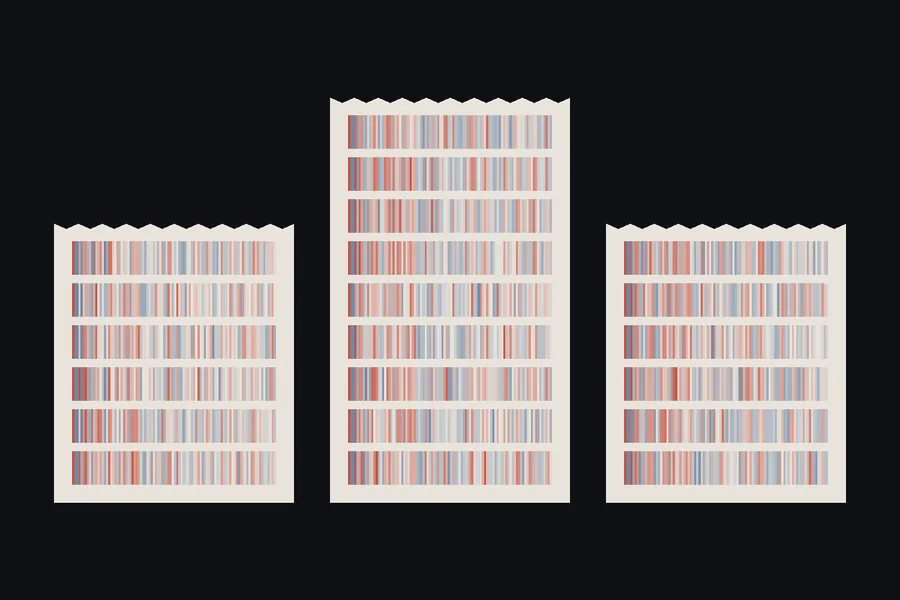
Multi-Task Sentence Transformer for Receipt Processing
One BGE-M3 backbone with two task heads, classifying receipt lines and tagging the entities inside them. On the public CORD-v2 corpus it reaches 97.8% line accuracy and 0.898 entity macro-F1.
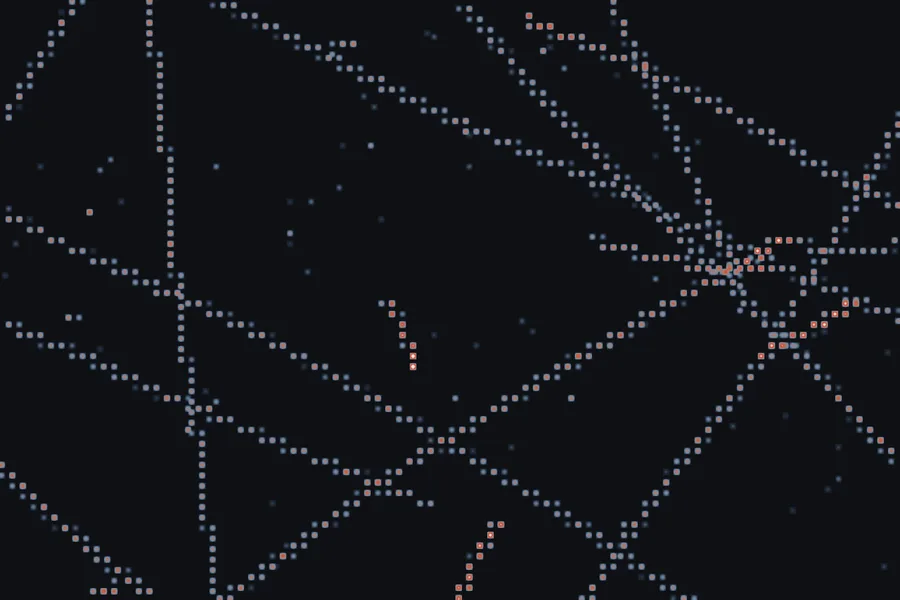
High Energy Particle CNN Classifier
A convolutional network that identifies particles from liquid argon detector images. Tuning the learning-rate schedule, not the architecture, lifted validation accuracy from 83.4% to 89.1%.
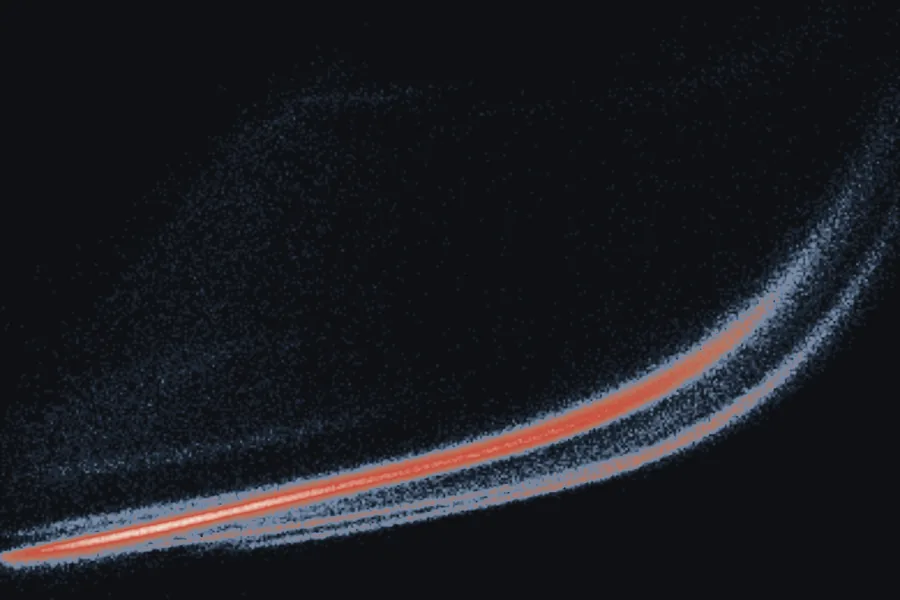
Muon Track Momentum Resolution Regression
Predicting muon track momentum resolution from five kinematic inputs. A properly trained network reaches R² of 0.854 on 41,797 unseen tracks, against 0.698 for linear regression.
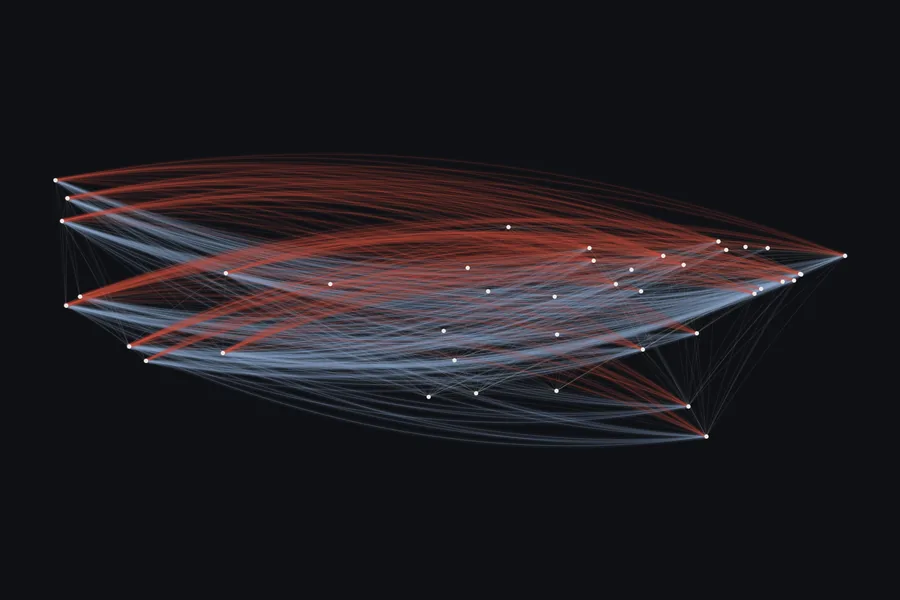
Does Travel Cost NBA Teams the Game?
A regression over 46,903 NBA games from 1947 to 2025. How far a team flies has no detectable effect on the score, but flying west to east is worth about a point.
How Many Samples Prove Mars Is Lifeless?
Published in Nature Astronomy. A statistical case that showing a Martian environment is lifeless, with confidence, takes hundreds of samples, which shapes how sample return missions should be planned.
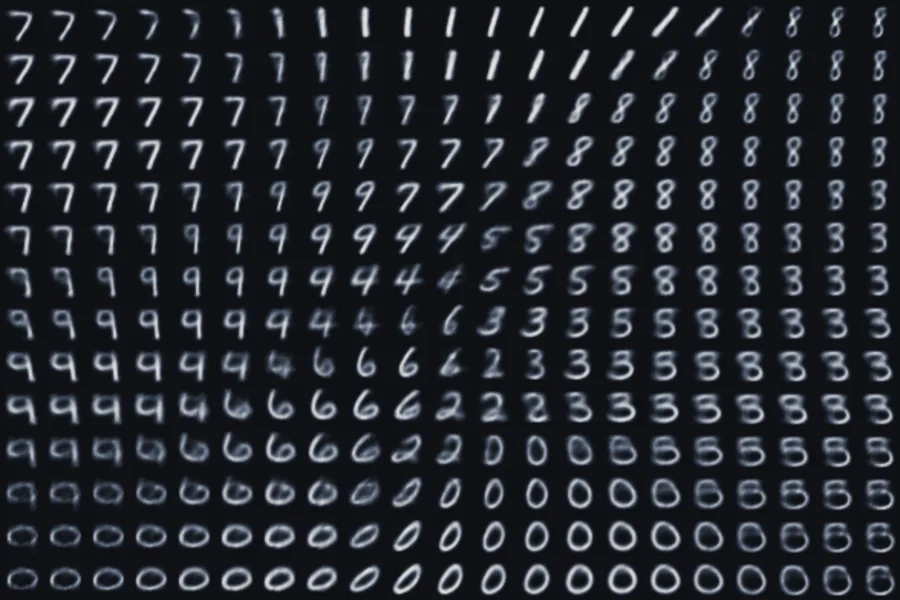
MNIST Variational Autoencoder
Compressing handwritten digits into a two-dimensional latent space and generating new ones by sampling across it. Ten digit clusters form without the model ever seeing a label.